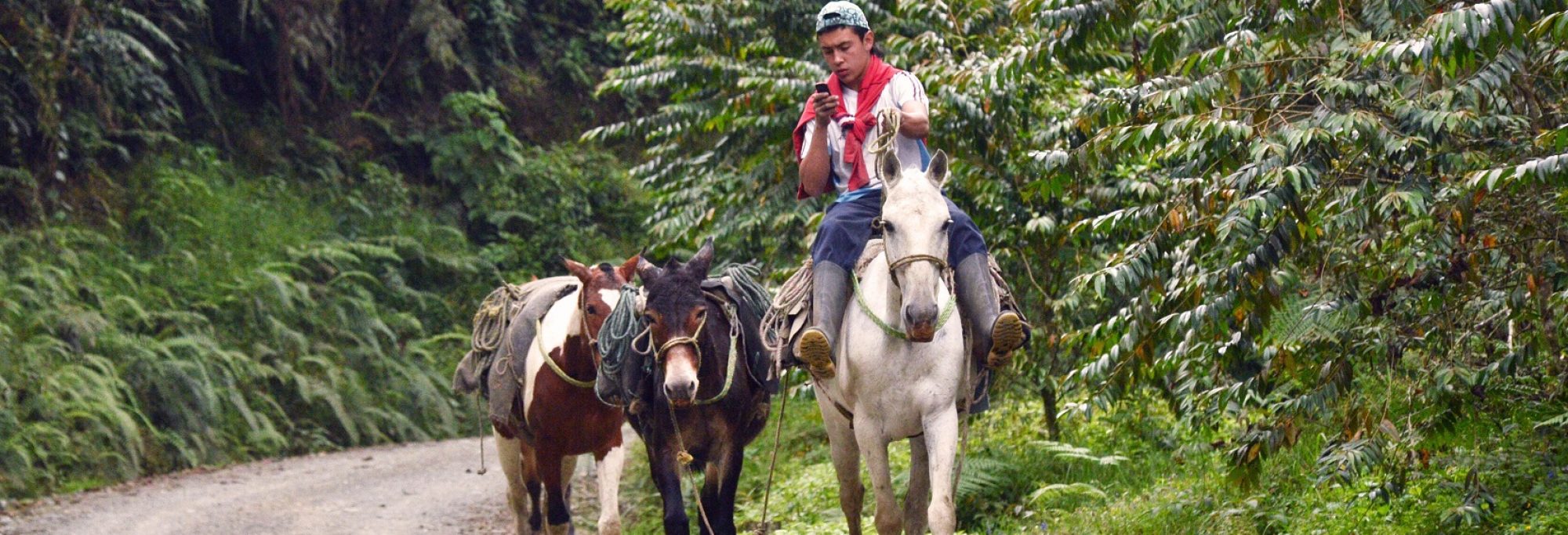
Originally published in Spanish in July 2012. Colombia has lost 50 percent of its glaciers in the last fifty years. Today, six glaciers remain nestled among the highest peaks of the three mountain ranges that traverse the country. Scientists are scrambling to monitor and explain the rising atmospheric temperatures and changing weather patterns that have … Continue reading Colombia’s disappearing glaciers
A team of scientists has determined that a major cause of melting corresponds to the bottom of submerging ice shelves.
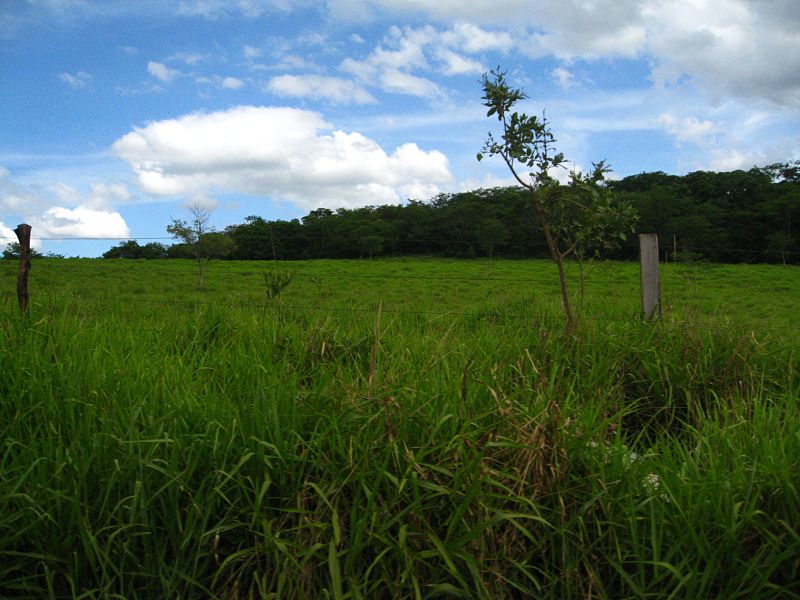
Climate change could raise the temperature in the Brazilian Amazon by six degrees and convert 45% of rain forest areas into savannah. Credit: WikiCommons.
Researchers drilling to the bottom of Lake Hodgson of Antarctica have found microorganisms that date back 100,000 years. DNA studies will soon determine whether these findings are an unknown species.
ARGENTINA
A University of Mendoza study has demonstrated the neuroprotective effects of progesterone and their possible application as treatment for Parkinson’s disease. This research was commended by the Society of Biology of the Cuyo.
A team of researchers from the Universidad Nacional del Litoral has isolated bacteria from infant feces and breast milk for use in probiotics. The team’s intention is to grow up these microorganisms to commercial quantities so they can be incorporated into the daily glass of milk in low-income schools.
More and more Argentine scientists are following the lead of researchers that have used DNA to store texts, audios and pictures in sequences that were then inserted into bacteria. Scientists at the Universidad Argentina de la Empresa were able to store the first verses of the Argentine national anthem in a bacterium.
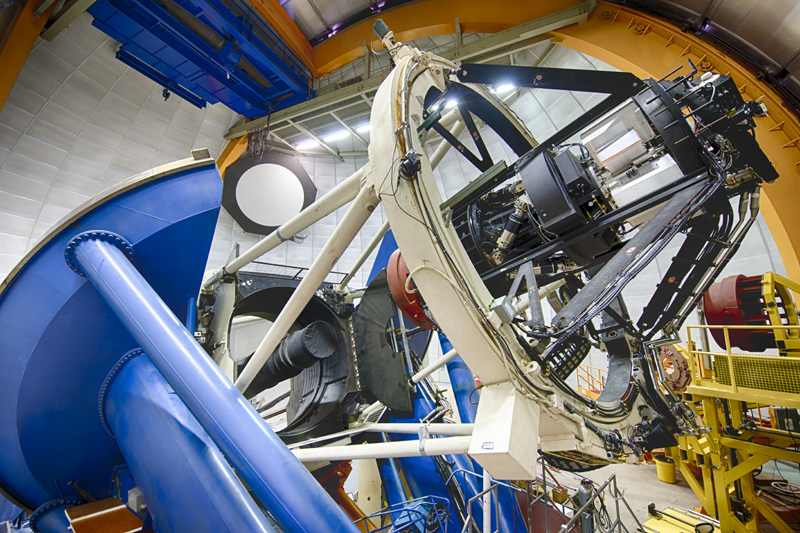
The Dark Energy Survey’s 750 megapixel DECam will map one eighth of the sky from Chile to see how the universe is expanding at an accelerating rate. Credit: Reidar Hahn/Fermilab.
A transgenic orange plant was developed at the UBA that is resistant to citrus canker caused by the Xanthomonas bacteria. This plant bears a frog gene that confers antimicrobial properties.
CHILE
The 750 DECam megapixel camera, part of the Dark Energy Survey (DES ) and installed in the Victor M. Blanco telescope in Cerro Tololo, Chile will map one eighth of the sky to find out why there is accelerated expansion of our universe. The DES officially started August 31.
A Chilean-German diving project is forming with the aim of exploring Antarctic waters to document wildlife.
Scientists, patients and government entities in Argentina have reached an agreement to legislate stem cell therapies. The law “should address the scientific and therapeutic aspects of these cellular tools, always from a bioethical perspective, while guaranteeing the health protection of citizens,” stated Lino Brarañao, Argentina’s Minister of Science and Technology.
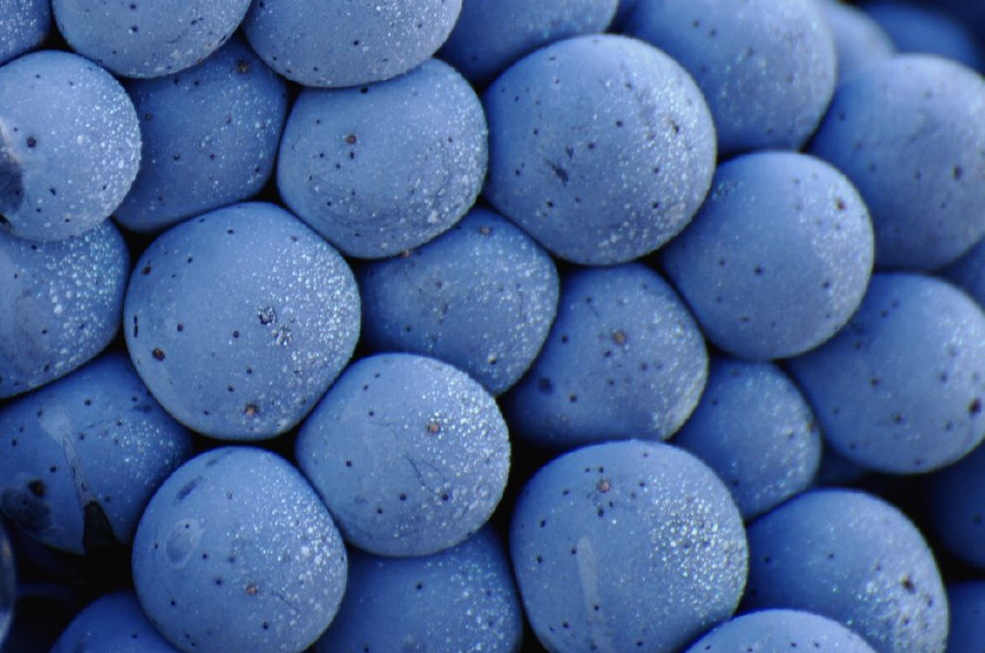
Uruguayan researchers have sequenced the genome of the Tannat wine grape. Credit: Jorge Alonzo via Flickr.
Recently, Argentina’s Ministry of Agriculture, Livestock and Fisheries passed a resolution for the evaluation of genetically modified crops like sugarcane and potatoes. This measure will allow two national institutions to progress in obtaining glyphosate tolerant sugarcase.
Argentine companies are working on breeding programs to increase protein levels in the soybean.
BOLIVIA
An international group of scientists led by Italian geographer Umberto Lombardo and Bolivian archaeologist José Capriles found in the Bolivian Amazon evidence of humans dating back 10,400 years. Their analysis concludes that hunter-gatherers settled there in the early Holocene. The work was published in the journal Plos One.